Mediterranean Climate
Sun rich, dry growing seasons softened by maritime breezes from three coastlines. Long warm days, cool nights, and an enviable balance of ripeness and acidity.
Nine thousand years of viticulture in a single landscape. The cradle of wine. And still, somehow, the world's best kept secret.
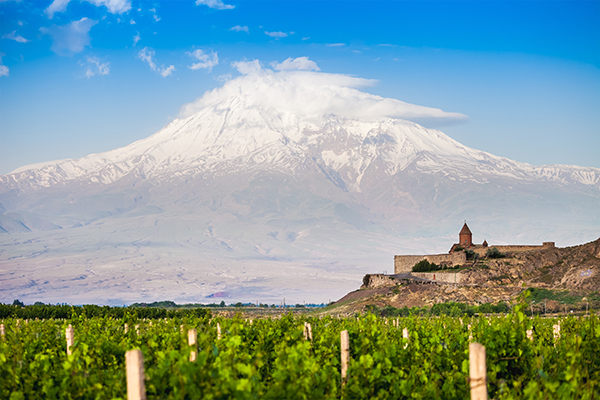
I.Mount Ararat across the vineyards of Eastern Anatolia
Anatolia carries one of the longest wine stories on earth. Traces of fermented fruit have been found at Çatalhöyük, a 9,500 year old Neolithic settlement in South Central Anatolia. The proto Hittite peoples who followed cultivated vines between 3,000 and 4,000 BC, and the Hittites themselves left the first written records of viticulture in the region.
Surrounded by three seas (the Aegean, the Mediterranean, the Black) and crossed by mountain ranges that lift vineyards above a thousand metres, Türkiye is among the most varied wine landscapes in the world. Its soils run from volcanic tuff and basalt to limestone, clay, and alluvial river beds. Its grapes number in the thousands, most of them found nowhere else.
This is the land Two Moons works with directly, alongside the growers who tend it.
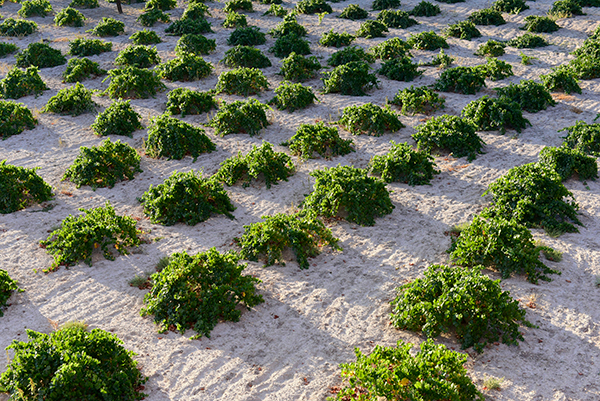
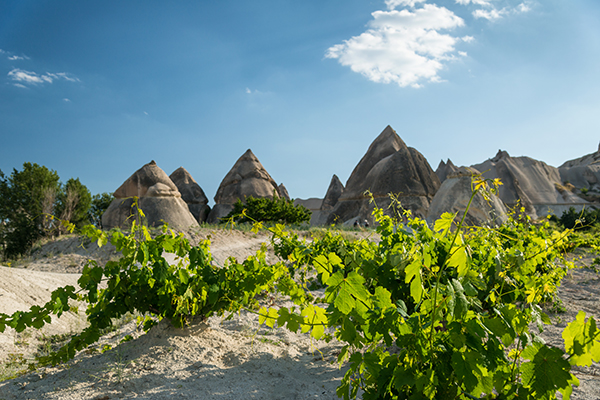
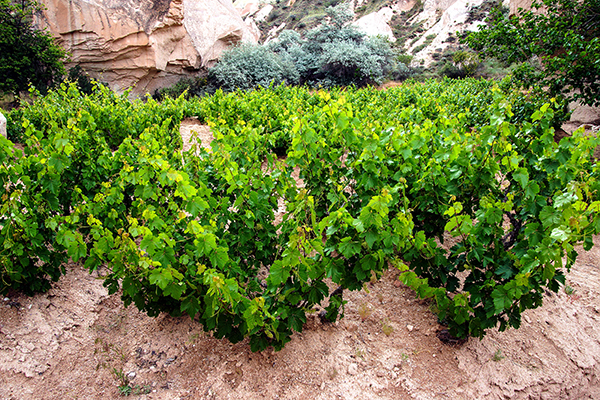
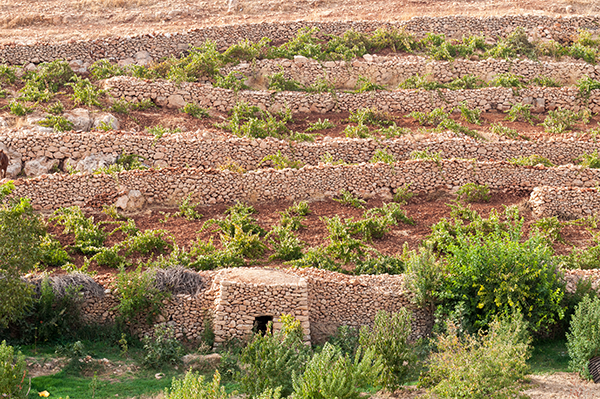
II.Ancient stone terraces, sculpted into the Mediterranean hillsides
Sun rich, dry growing seasons softened by maritime breezes from three coastlines. Long warm days, cool nights, and an enviable balance of ripeness and acidity.
The Toros range and the volcanic slopes around Mount Erciyes lift vineyards to 900 to 1,300 metres. Cooler nights slow ripening, mineral rich soils sharpen the wines.
Differences in altitude, soil, and sea proximity create distinct expressions from region to region. The same grape, planted four hundred kilometres apart, tells a different story.
Volcanic tuff and basalt in Central Anatolia; limestone, clay, and alluvial beds along the coasts. Each contributes texture and tension to a wide spectrum of regional character.
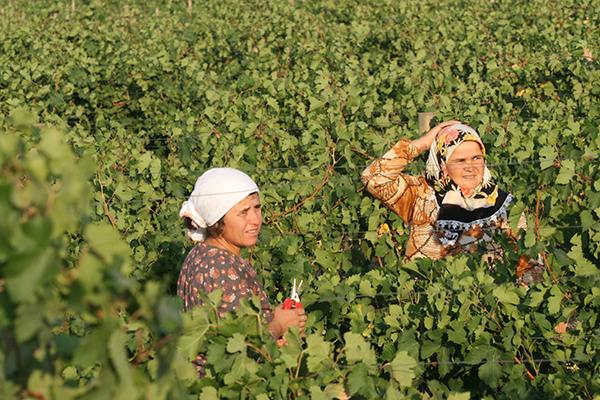
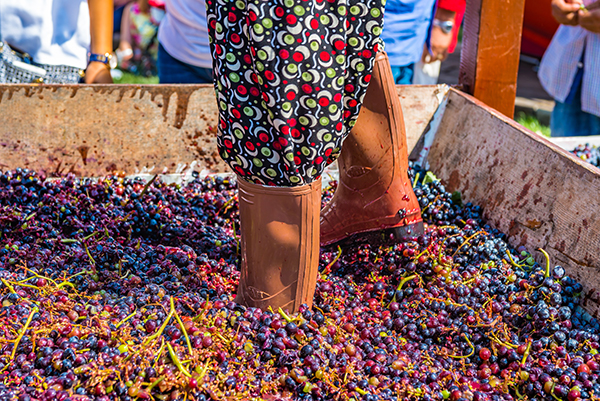
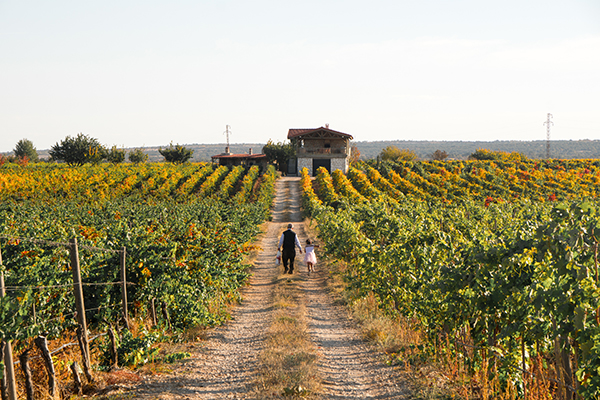
From the Thracian coast to the Tigris valley, five wine worlds within Türkiye.
Tour the Regions